“Better-paid, better-educated workers face the most exposure” to AI, concludes a recent report about the impact of Artificial Intelligence on jobs in the future. This conclusion should make us question the widely held belief that our children should get more education. More education is never a bad idea and has long been believed to lead to better lives, more income, for example, as illustrated in the diagram below.
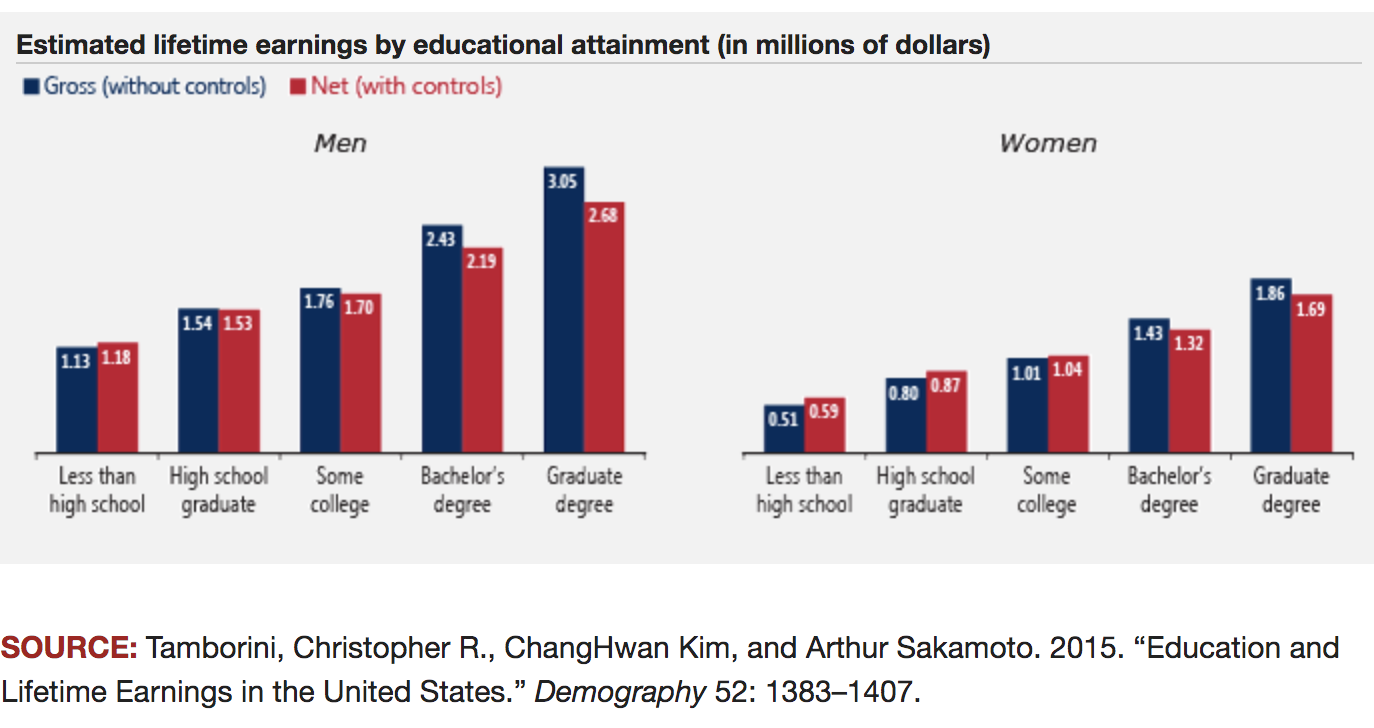
https://www.ssa.gov/policy/docs/research-summaries/education-earnings.html
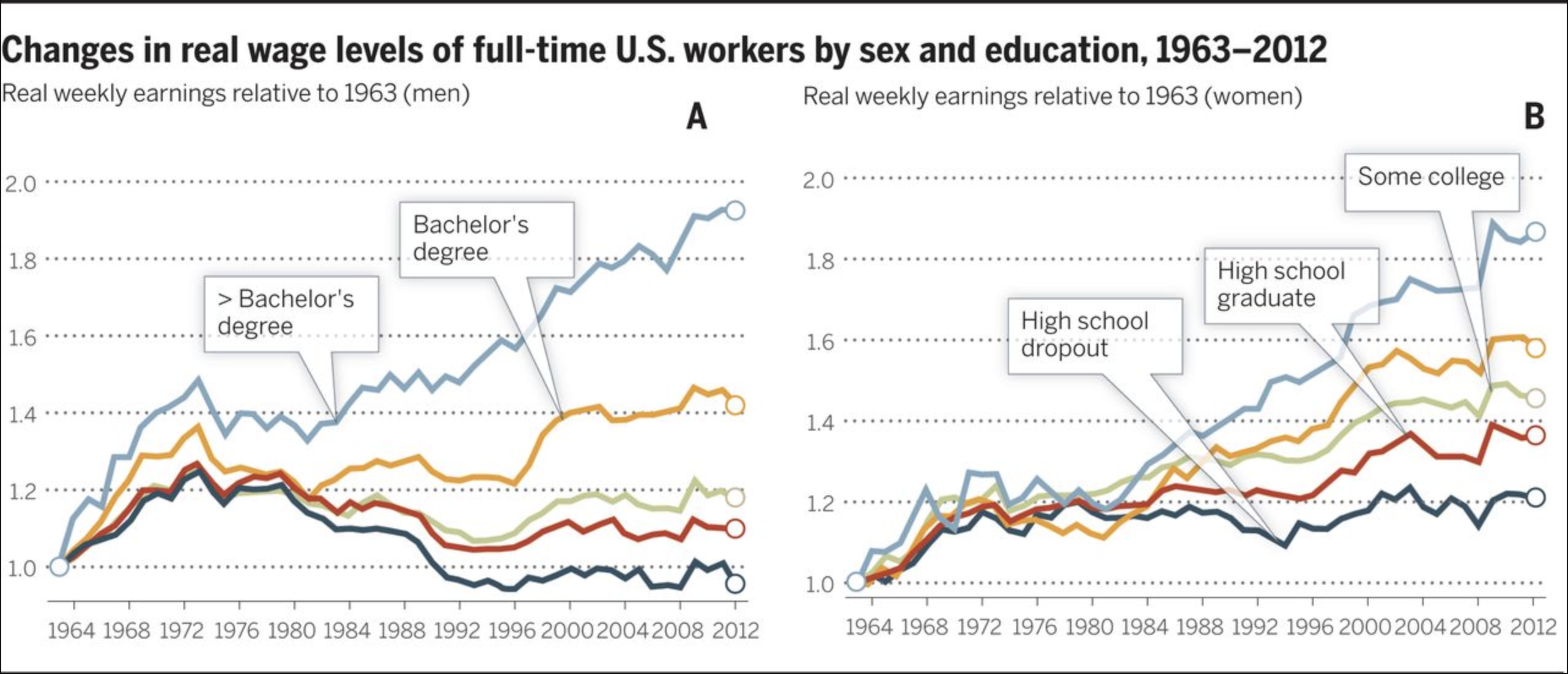
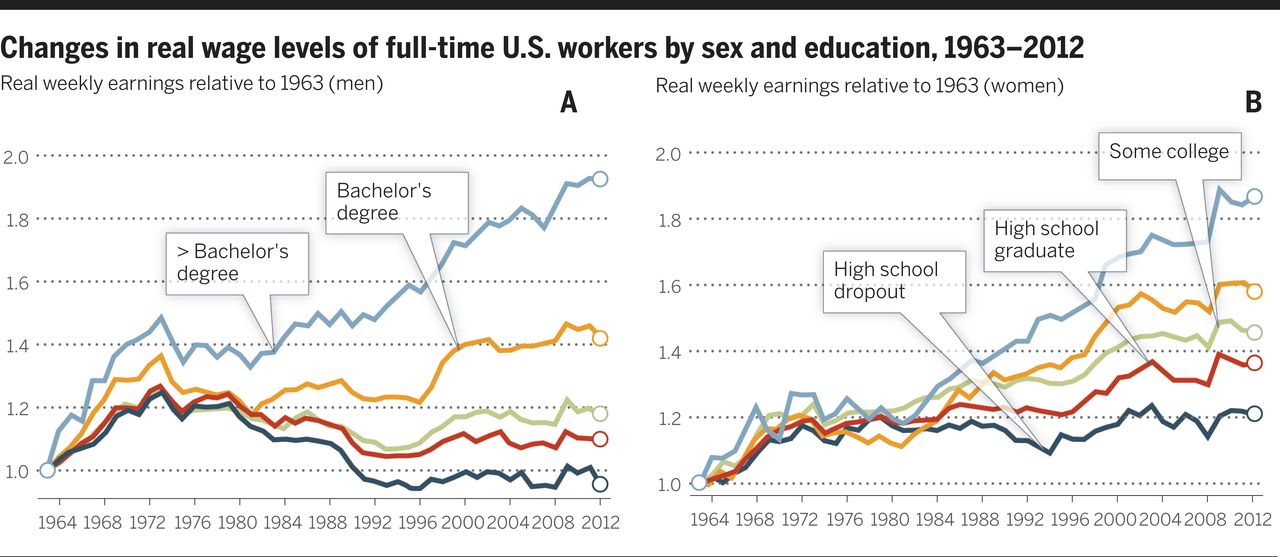
Historical data suggest that the premium of education has increased over the years. The payoff of more education has grown significantly from the 1960s to the 2010s as shown below.
The strong link between more education and better earnings is universal, true in almost every society.
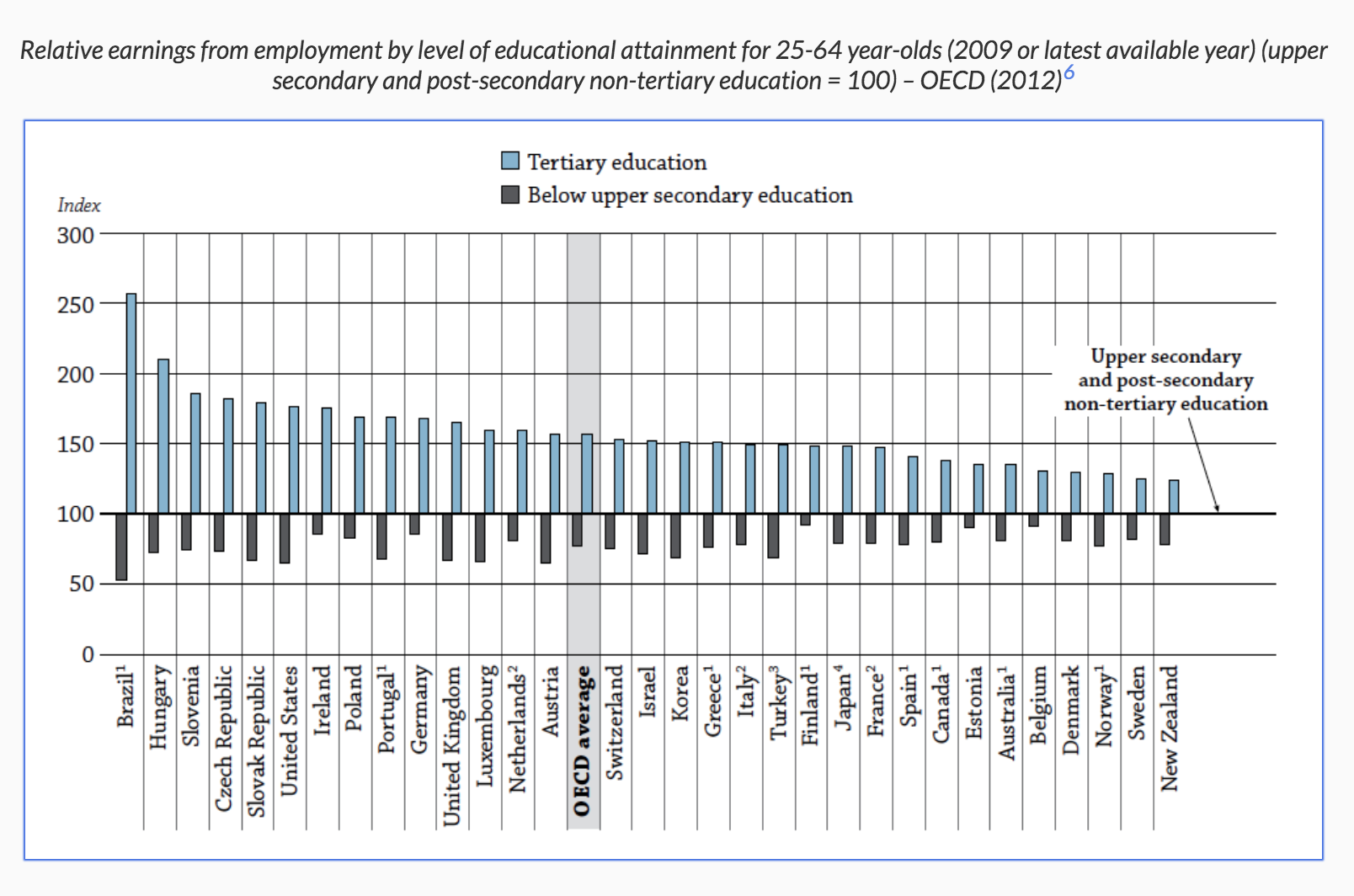
https://ourworldindata.org/returns-to-education
But will this be true in the future? A recent Brookings Institution report suggests that the link between education and income may be weakened because of Artificial Intelligence (AI). Using a new approach to analyze the impact of AI on jobs, the report concludes that “Better-paid, better-educated workers face the most exposure” to the spread of AI.
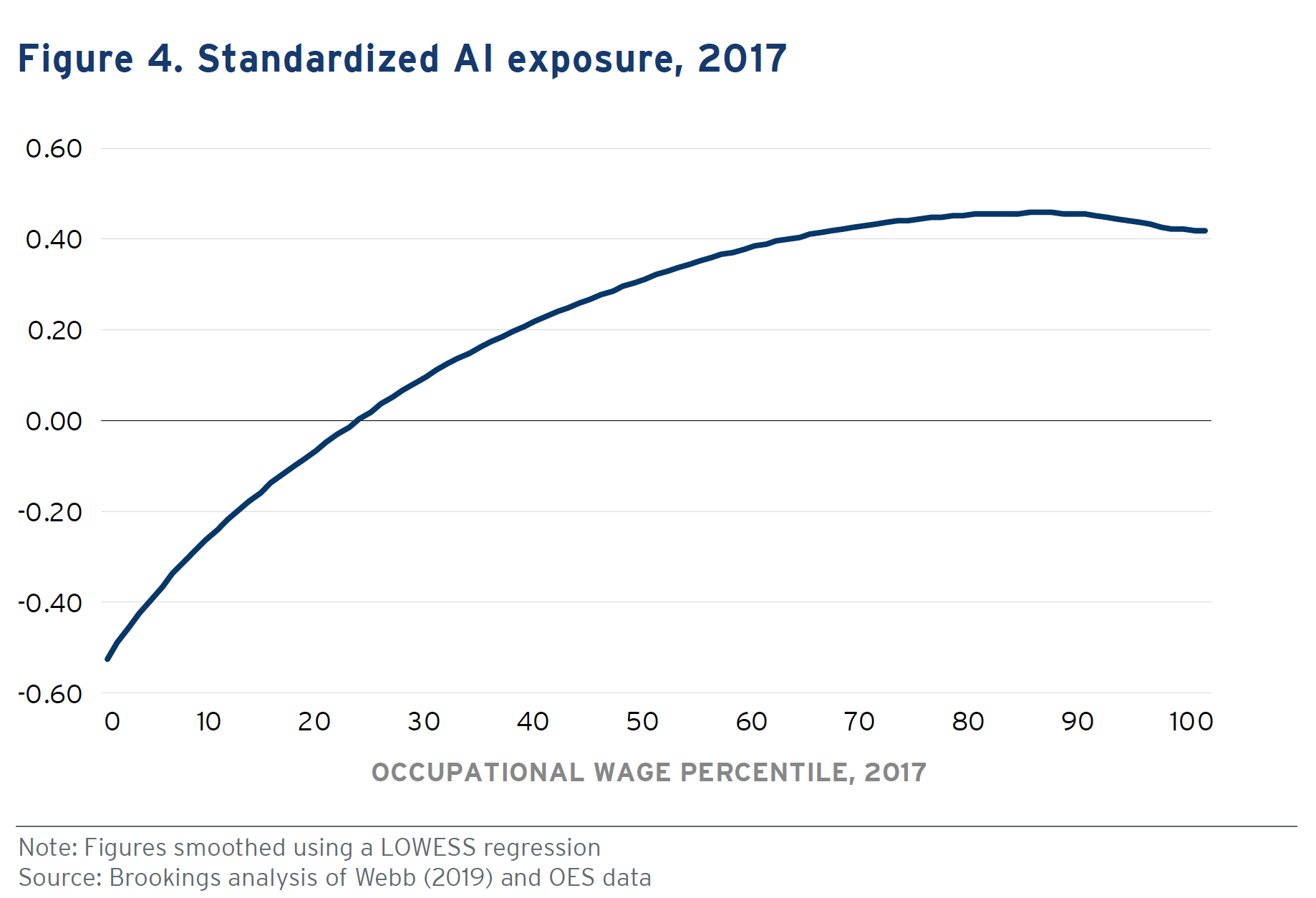
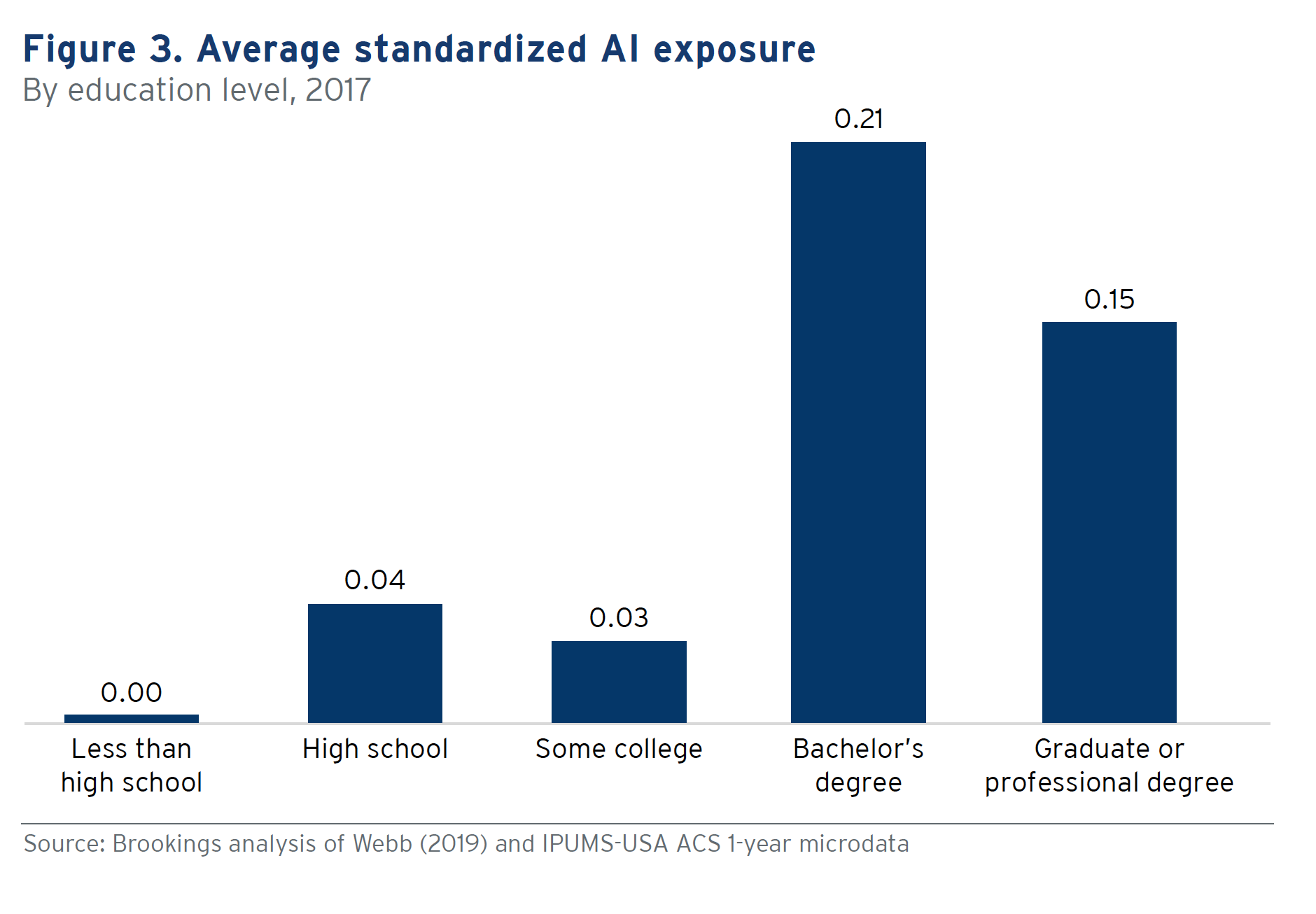
You can read the Brookings’ report for how they arrived at these conclusions and more information about the impact of AI on future jobs. But if these conclusions have merit (and I believe they do), they could mean the link between more education and better life can be serious weakened, if not completely broken, in the future when AI becomes more prevalent in the world. If so, what we need is perhaps not only more education, but more important, we need different education.
This call for different education is of course not new. Many have argued that the current education paradigm—from what we teach to how we teach, from how we assess individual students to how we judge the quality of teaching and education systems, from how schools are organized to how education is delivered—is no longer adequate. But this report adds more urgency to act on the calls for transformation more immediately.

 Learning in the Age of AI
Leave a comment